Akagera National Park is a remarkable destination in Africa known for its stunning scenery, rich history, and diverse wildlife. Located in eastern Rwanda, along the country’s border with Tanzania, the park has undergone significant restoration efforts in recent years to revive its natural heritage.
Akagera National Park covers an area of approximately 1,200 square kilometres (463 square miles) and comprises a mix of savannah plains, lakes, wetlands, and woodlands. This varied landscape provides a habitat for a wide range of wildlife species, making it a haven for nature enthusiasts and wildlife lovers.
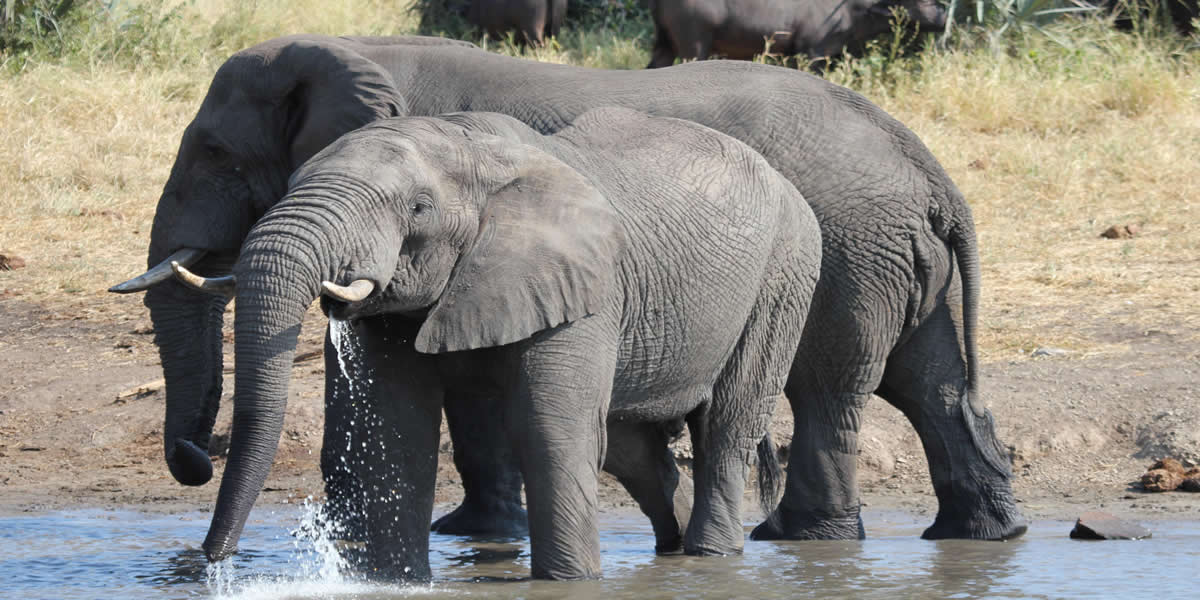
The park is renowned for its exceptional biodiversity. It is home to more than a dozen different antelope species, including impalas, topis, and elands, as well as buffalos, zebras, giraffes, and elephants. Predators such as lions, leopards, and hyenas can also be spotted within the park, adding to its allure.
Akagera National Park is especially renowned as an ornithological site. With over 500 bird species recorded, it offers a paradise for birdwatchers. The diverse avian population includes waterbirds like herons, egrets, and storks, as well as raptors, such as fish eagles and martial eagles. Bird enthusiasts can embark on guided birding tours and explore the park’s various habitats to spot these remarkable feathered creatures.
Beyond its natural beauty and wildlife, Akagera National Park also holds historical significance. The park takes its name from the Akagera River, which flows along its eastern boundary and forms part of the park’s ecosystem. Akagera was established in 1934 as a protected area, making it the oldest national park in Rwanda.
Over the years, Akagera faced numerous challenges, including encroachment, poaching, and depletion of its wildlife populations. However, a partnership between the Rwanda Development Board and African Parks, a non-profit conservation organization, has led to successful restoration efforts. These initiatives have reintroduced key species, improved park management, and increased tourism, contributing to the revival of Akagera National Park’s past glory.
Visitors to Akagera can partake in a range of activities, including game drives, boat safaris, and guided nature walks. Exploring the park’s diverse ecosystems allows visitors to witness its breathtaking landscapes and encounter the incredible wildlife that calls Akagera home.
In summary, Akagera National Park stands out as a picturesque reserve in Africa, known for its exceptional biodiversity and ornithological importance. With its restoration efforts and revitalized wildlife populations, the park offers visitors an opportunity to experience the beauty of nature while contributing to conservation efforts in Rwanda.