Nyungwe Forest National Park is indeed a remarkable destination for nature lovers in Africa. Located in southwestern Rwanda, it is known for being one of the oldest rainforests on the continent and offers a wide range of activities for visitors to enjoy.
Hiking trails
Nyungwe Forest National Park provides excellent hiking trails that allow visitors to explore the lush greenery, diverse flora, and stunning landscapes of the forest. There are various trails of different lengths and difficulty levels, catering to both novice hikers and experienced trekkers. Hiking through the forest provides an opportunity to encounter unique plant species, and beautiful waterfalls, and potentially spot wildlife.
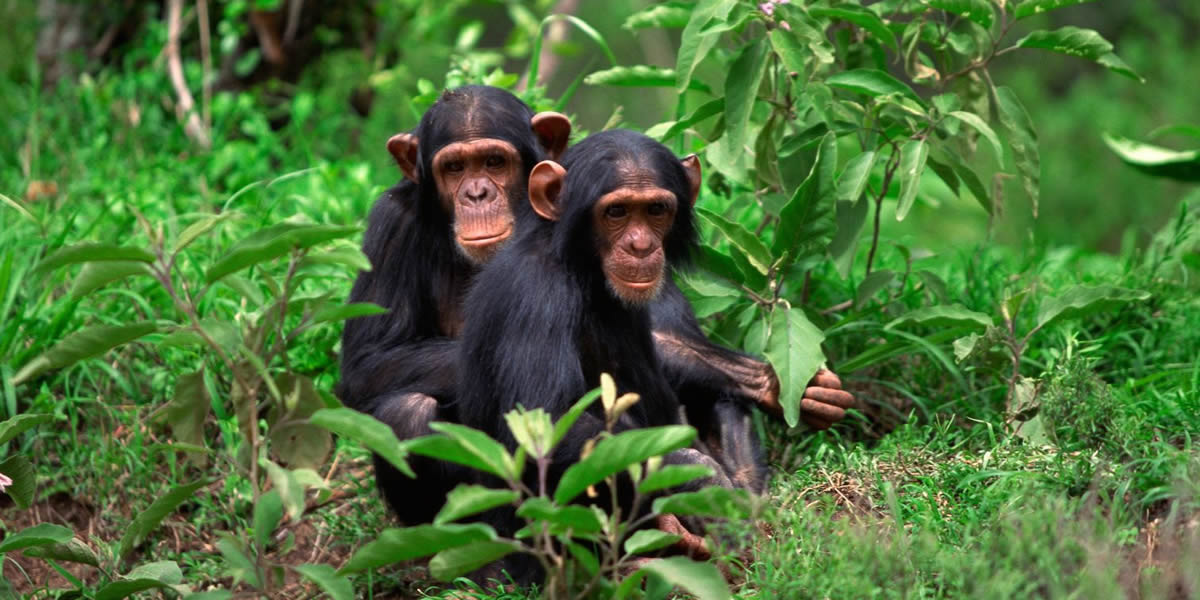
Chimpanzee tracking
One of the highlights of visiting Nyungwe Forest National Park is the chance to engage in chimpanzee tracking. The park is home to a significant population of chimpanzees, and visitors have the opportunity to join guided treks to observe these fascinating primates in their natural habitat. It’s an incredible experience to see chimpanzees swinging through the trees, interacting with each other, and going about their daily activities.
Canopy walks
Nyungwe Forest offers an exhilarating canopy walk experience, allowing visitors to stroll along suspension bridges between tall trees and enjoy panoramic views of the forest canopy. These walks provide a unique perspective and a thrilling adventure as you traverse the treetops, immersing yourself in the beauty and serenity of the rainforest.
Birdwatching Nyungwe Forest
The park is a haven for birdwatchers, with over 300 bird species recorded within its boundaries. Nyungwe Forest is particularly renowned for its population of Albertine Rift endemic bird species, making it a paradise for bird enthusiasts. Visitors can spot various colorful and rare bird species, including the Rwenzori turaco, Grauer’s rush warbler, and red-collared babbler, among others.
In addition to these activities, Nyungwe Forest National Park offers opportunities for nature walks, primate tracking (besides chimpanzees, there are other primate species in the park), and cultural encounters with local communities surrounding the forest.